


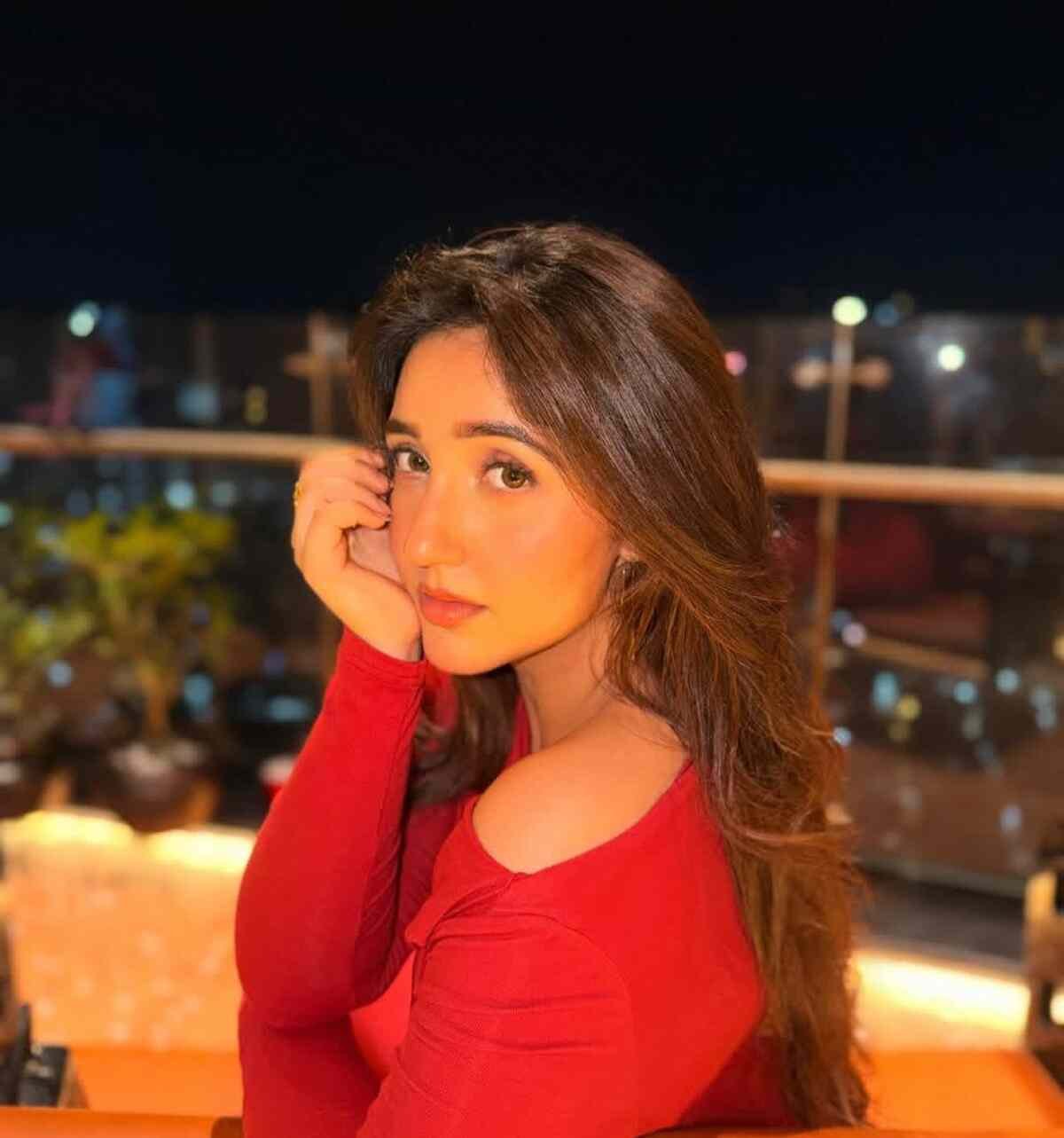
Having grown up in front of television cameras and now exploring reality TV and digital platforms, Ashnoor Kaur has witnessed firsthand the transformation of the entertainment industry. From her early days as a child actor to her recent appearance on Bigg Boss 18, she believes that while formats are evolving, television remains a powerful medium.
She notes that audience consumption patterns have shifted dramatically. “Today, the way people watch television has changed significantly. Almost every General Entertainment Channel now has a strong OTT presence. For example, Star Plus content is available on JioHotstar, and earlier Viacom18 shows were streamed on Voot. This has made content far more accessible,” she explains. She also highlights how Gen Z viewers now watch daily soaps on their phones while travelling—something that was uncommon earlier.
Her perspective aligns with ongoing industry discussions around digital-first storytelling and the balance between traditional TV and streaming platforms. These themes are frequently explored at events like Content India 2026, organized by Dish TV India, where industry leaders examine the future of India’s entertainment ecosystem.
Despite the rise of on-demand viewing, Ashnoor emphasizes that television continues to maintain a strong emotional connection with audiences. “The habit of sitting down at a fixed time to watch TV has evolved into on-demand viewing. However, in Tier 2 cities and rural areas, television is still deeply rooted in everyday life. Even as formats evolve, I don’t think television as a medium will lose its relevance. It serves a distinct audience that remains consistently engaged,” she says.
At the same time, she acknowledges the challenges posed by the digital content boom. “With the rise of social media and short-form content, attention spans have reduced significantly. Today, the hook of any video needs to be extremely engaging for viewers to stay till the end. There’s an overwhelming supply of content, but demand hasn’t increased at the same pace. That’s why it’s crucial to find your niche and reach the right audience,” she adds.
Reflecting on the global nature of content today, she concludes, “Content has no boundaries. Platforms and events like Content India bring together voices from across the world, creating a melting pot of ideas. Ultimately, what connects us all is storytelling—whether it’s television, cinema, or digital content.”
